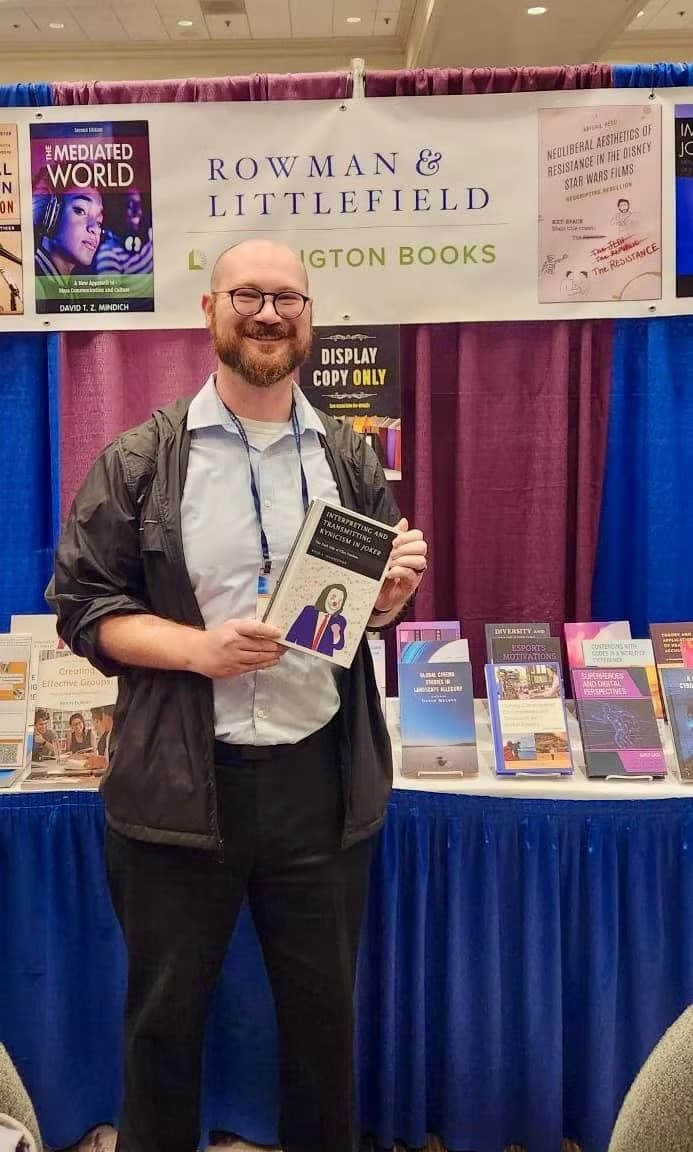
Dr. Hammonds recently visited the National Communication Association (NCA) convention, held this year in New Orleans, Louisiana.
The Top Paper award
He was awarded 1st Place on the Top Papers panel for the Theatre, Film, and New Multi-Media division. The recognition is his first top paper award since starting as a full-time professor at the University of Texas at Dallas.
The paper, titled Malicious Movie Talk, traced the historical development of the philosophical problem of “evil rhetors” — speakers who use persuasive skill to advance harmful ends — from Socrates to present-day internet influencers. The argument focused on influencer film critics who use manipulative speech to circulate hateful ideas under the cover of entertainment commentary. A full, expanded version of the paper appears in Dr. Hammonds' book, Interpreting and Transmitting Kynicism in Joker.
Chairing a fandom-teaching panel
Beyond the paper award, Dr. Hammonds also chaired a panel on teaching with fandom. The panel featured his frequent co-author, Dr. Caleb George Hubbard, and prolific fan studies scholar Dr. Ashley Hinck.
Public speaking pedagogy
He also presented on a panel about public speaking pedagogy, sharing thoughts on how to advance future speech curricula based on his essay in the Routledge Handbook of Public Speaking. Recommendations in the presentation included drawing on theatre practices — physical and vocal exercises — and on theatre theories such as communicative contexts, empathy, speaking personas, and performativity. These practices and theories have been gradually disconnected from public speaking instruction, and reintroducing them strengthens future lessons on speech.
Collaborators and mentors
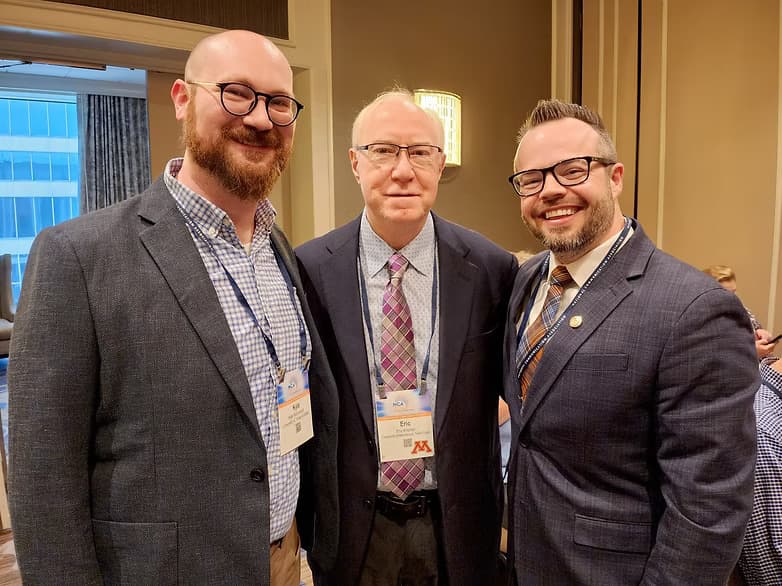
Beyond his work at the conference itself, Dr. Hammonds connected with other scholars and enjoyed exploring the city of New Orleans. He co-presented with Dr. Garret Castleberry, with whom he regularly collaborates on the Special Topics in Media podcast, and spent time with his friend and academic mentor, Dr. Eric Kramer. Much of Dr. Hammonds' research and writing draws on theories and concepts developed by Kramer, work that typically blends phenomenological philosophy — the study of lived experience and perception — with communication and cross-cultural studies.


Author
Kyle A. Hammonds, PhD
Assistant Professor of Instruction; Program Head, MAIS
Dr. Hammonds researches communication, media, and popular culture, with an emphasis on how audiences and fan communities make meaning together. His first book is Interpreting and Transmitting Kynicism in Joker (Rowman & Littlefield, 2024).
Related
More along these lines.
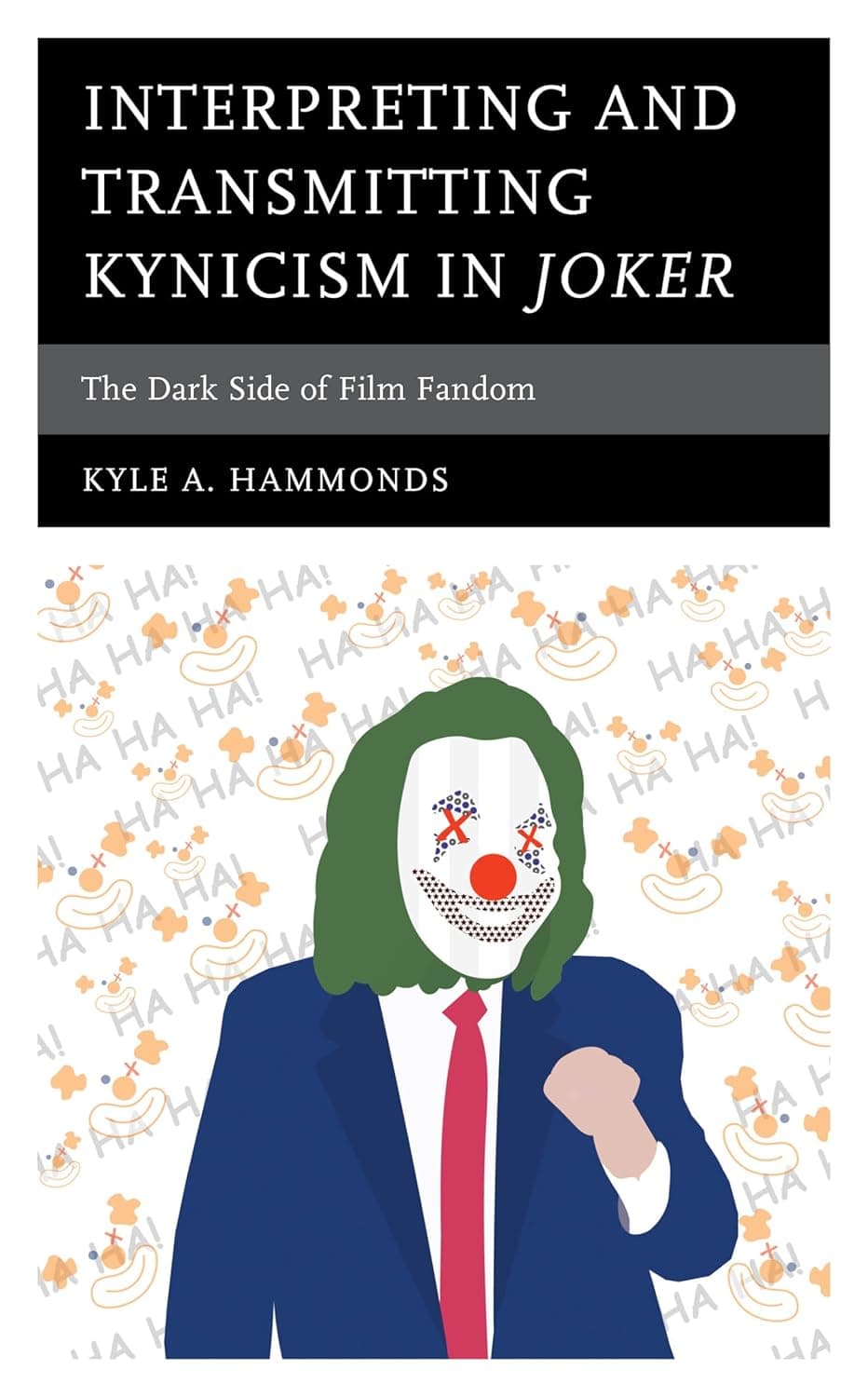
Monograph Reviewed in Fandom/Cultures/Research
Interpreting and Transmitting Kynicism in Joker has been reviewed by Enoe Lopes Pontes in Fandom/Cultures/Research: Online Journal for Fan and Audience Studies.
- Pop Culture
- Media
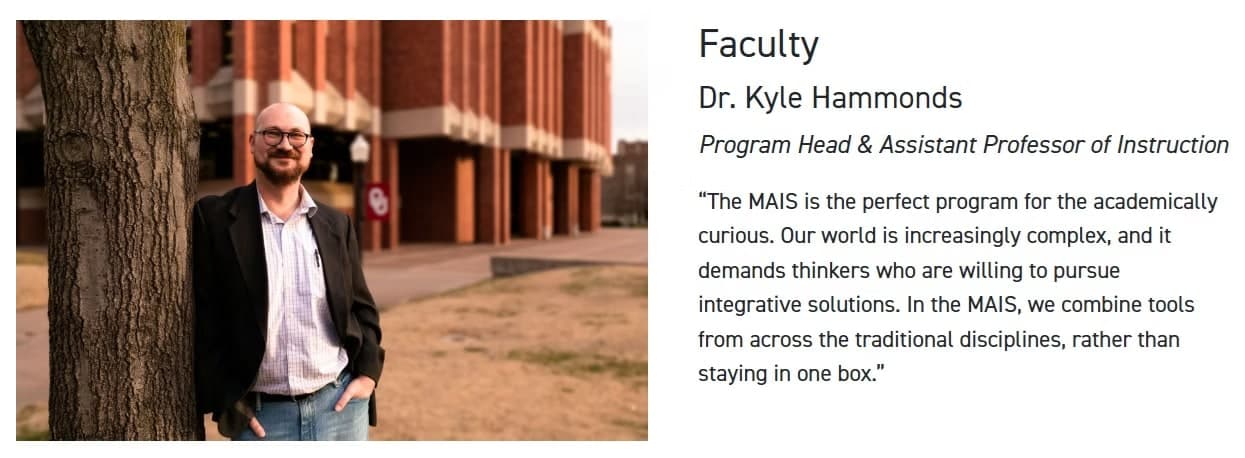
Kyle A. Hammonds is The New Program Head for the Master of Arts in Interdisciplinary Studies (MAIS)
Dr. Hammonds begins his appointment as Program Head of the MAIS at the University of Texas at Dallas in the Fall 2025 semester.
- Teaching
- Communication